

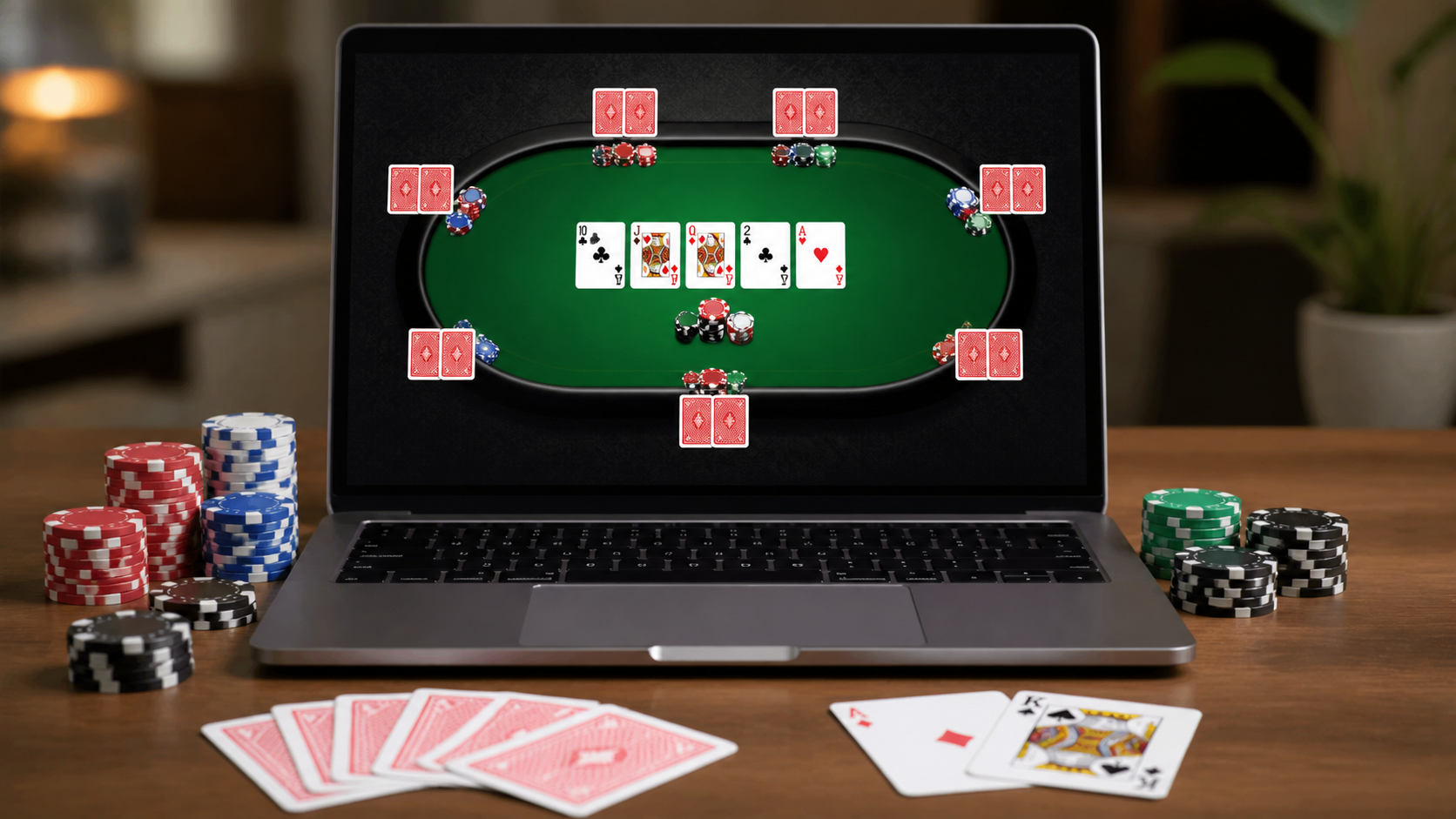
An online poker table can feel familiar and different at the same time. The basic idea is still the same: make better decisions than the people around you, manage risk, and stay patient when the cards are not cooperating. But the digital setting adds its own rhythm, from faster hand cycles to more varied opponents and fewer physical clues to read.
For many players, that mix is what makes the format appealing. It is accessible, flexible, and easy to approach at different skill levels, yet it still rewards discipline and clear thinking. If you want to get more value from a poker game online, it helps to understand not only the rules, but also the practical habits that shape better play over time.
What makes online poker different from live play
The core rules of poker do not change just because the table is digital. Hand rankings, betting rounds, and the goal of building the strongest possible result still remain the same. What changes is the pace, the information available to you, and the way decisions are made.
Live poker often gives players a chance to observe body language, table talk, and physical patterns. Online play removes most of that and replaces it with timing, bet sizing, and table flow. That means players often rely more heavily on position, betting logic, and repeated behavior rather than on visible tells. It can make the game feel cleaner and more analytical, but it also reduces some of the social cues that live players expect.
Another major difference is volume. Online tables usually move faster, so players see more hands in a shorter period. That can be useful for learning because patterns become easier to spot, but it can also encourage rushed decisions. A steady pace of attention matters more than trying to play every hand.
Choosing the right table and format
Not every table suits every style of player. Some formats reward patience and careful reading, while others are more aggressive and swingy. Before sitting down, it helps to think about what you are actually looking for: a relaxed session, a learning environment, or a more competitive pace.
The most useful choice is usually the one that matches your experience and your comfort with risk. A player who is still learning may prefer lower-stakes games or slower formats, where there is more room to think through each decision. More experienced players may look for tables with softer opposition or specific formats that suit their strengths.
Cash games and tournament play
Cash games and tournaments ask for different mindsets. In cash games, chips have a more direct value and you can usually leave when you want. That makes bankroll control and seat selection especially important. In tournaments, the structure changes over time, and survival becomes a larger part of the strategy as blinds rise and pressure increases.
If you prefer consistency, cash games can feel more controlled. If you enjoy buildup and changing dynamics, tournaments may be a better fit. Neither format is automatically easier; each simply asks for a different kind of discipline.
Table speed and player pool
Table speed can shape your decisions more than many beginners realize. Faster action gives you less time to think, which can be useful if you already have a plan but risky if you tend to act impulsively. Slower tables may be better for players who want time to process information and avoid unnecessary mistakes.
The player pool matters too. Some games are filled with cautious players, while others attract aggressive ones who bet often and force more difficult decisions. Learning to notice the general tone of a table can help you decide whether to stay, switch, or adjust your approach.
Core habits that improve decision-making
Strong poker play is rarely about dramatic moves. More often, it comes from repeating solid habits that reduce avoidable errors. Good decisions do not guarantee a positive result in any single session, but they do improve your long-term position.
One useful habit is starting with fewer hands and expanding only when the situation supports it. Another is paying close attention to position, since acting later in a hand usually gives you more information. Players also benefit from thinking about what their bet says to other players, rather than focusing only on their own cards.
It also helps to slow down after a difficult hand. Emotional reactions can lead to chasing losses, overbetting, or trying to win back chips too quickly. A calm response often preserves more value than a flashy recovery attempt.
- Play fewer marginal hands when you are out of position.
- Use bet sizing with a clear purpose, not just from habit.
- Watch how opponents behave across several hands, not just one.
- Take breaks when frustration starts affecting concentration.
- Review sessions mentally so patterns are easier to notice next time.
Bankroll management and responsible play
Bankroll management is one of the least glamorous parts of poker, but it may be one of the most important. A player who chooses stakes too high for their comfort level can make better decisions and still feel pressure from swings that are difficult to absorb. Matching stakes to your budget helps keep the game sustainable.
Good bankroll habits are not only about money. They also support better thinking. When the stakes are manageable, you are less likely to react emotionally to normal variance. That makes it easier to follow your strategy rather than trying to force outcomes.
Responsible play also means knowing when to stop. A session can become unhelpful if you are tired, distracted, or playing to recover a previous loss. Online poker is convenient enough that it can be tempting to continue far longer than planned, so setting limits before you start is often the simplest protection.
Some practical boundaries can make a real difference:
- Decide in advance how much time and money you are comfortable using.
- Do not increase stakes just because a session is going badly.
- Avoid playing when stress or fatigue is already affecting your judgment.
- Keep the game in its proper place as entertainment and skill practice.
Technology, security, and the user experience
The technical side of online poker shapes the experience more than many players expect. A stable connection, a clear interface, and easy-to-read tables all reduce mistakes. If the software is cluttered or the device is unreliable, even a careful player can misclick or miss important action.
It is also worth paying attention to privacy and account safety. Players should use strong passwords, avoid public devices for sensitive logins, and review the basic terms of any platform before depositing money. While no system can promise perfect protection, sensible habits make the environment easier to trust.
The overall user experience matters beyond convenience. A clean lobby, understandable table layout, and responsive controls help players stay focused on decisions instead of on technical friction. For many people, that comfort is part of what keeps the format enjoyable over time.
Building a better long-term approach
Improvement in poker tends to happen in small steps. One session may teach you to value patience, another may show the danger of playing too many hands, and another may reveal how often you are reacting instead of planning. Progress usually comes from noticing these patterns and adjusting slowly rather than trying to overhaul everything at once.
A useful long-term approach often includes studying the basics, reflecting after sessions, and being honest about your habits. If you keep seeing the same mistakes, the solution is rarely a miracle strategy. It is more often a simpler change: tighter hand selection, better timing, more discipline, or a clearer stop point for the night.
Online poker can reward curiosity as much as aggression. Players who stay observant, patient, and willing to adapt usually get more from the experience than those who only chase quick results. That does not mean every session will feel smooth, but it does make the game more thoughtful and more sustainable.
Ultimately, the aim is not to play perfectly. The aim is to make steady, informed decisions and let those decisions shape your results over time. When the table becomes a place for clear thinking rather than impulse, the game becomes far more satisfying.
