

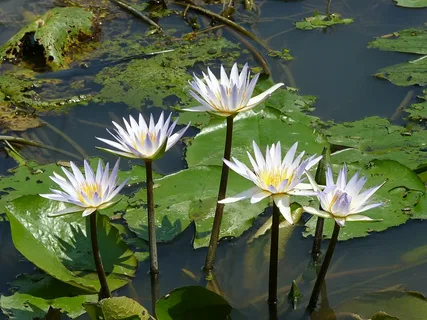
Water lilies are beautiful aquatic plants that can transform a pond into a colourful and relaxing garden feature. Their floating leaves and attractive flowers make them a favourite among pond owners, while their care requirements are relatively simple when the right conditions are provided. How to Grow Water Lilies: A Beginner’s Guide to Healthy Blooms explains the essential steps beginners can follow to establish strong plants and encourage beautiful flowers.
Understanding Water Lilies
Water lilies are aquatic plants that grow with their roots anchored below the water while their leaves and flowers develop near the surface. There are many varieties, including hardy and tropical types, and each has slightly different growing requirements.
Before purchasing a plant, consider your pond size, water depth, climate, and available sunlight.
Choose the Right Water Lily
Selecting an appropriate variety is one of the first steps toward successful growth.
Hardy Water Lilies
Hardy water lilies are popular for outdoor ponds because they can tolerate cooler temperatures and seasonal changes. Many varieties become dormant during colder months and resume growth when conditions become warmer.
Tropical Water Lilies
Tropical varieties generally require warmer conditions. They are often chosen for their vibrant flowers, attractive foliage, and, in some varieties, fragrant blooms.
Select the Ideal Location
Water lilies generally need plenty of sunlight to grow well and produce flowers. Choose a pond location that receives several hours of direct sunlight each day.
Avoid placing the plant where surrounding trees or structures create excessive shade. Too little sunlight can result in vigorous leaf growth but fewer flowers.
Planting Water Lilies Correctly
Proper planting provides a strong foundation for healthy growth. Water lilies are commonly planted in aquatic baskets filled with heavy aquatic soil or suitable loam.
Place the rhizome or plant in the container according to the requirements of the selected variety. Avoid ordinary lightweight potting compost because it can escape into the water and create unnecessary cloudiness.
Once planted, position the container at a suitable depth. The correct depth varies according to the variety, so checking the plant’s specific growing instructions is recommended.
Provide the Right Growing Conditions
For anyone learning How to Grow Water Lilies: A Beginner’s Guide to Healthy Blooms, understanding the plant’s basic environmental needs is essential.
Sunlight
Good sunlight encourages healthy foliage and flower production. Most water lilies perform best in a sunny position.
Water Quality
Clean water supports healthy plant development. Remove fallen leaves and dead flowers regularly to reduce the buildup of decomposing organic material.
Water Depth
Different water lilies prefer different depths. Avoid placing a newly planted lily too deeply, as it may struggle to reach the surface. Follow the recommended depth for the specific variety.
Feeding Your Water Lilies
Water lilies can benefit from feeding during their active growing period. Use a fertiliser specifically formulated for aquatic plants and follow the manufacturer’s application instructions.
Avoid over-fertilising, as excess nutrients can contribute to unwanted algae growth and affect overall pond conditions.
Routine Water Lily Care
Regular maintenance keeps plants looking attractive and prevents overcrowding. Remove yellow or damaged leaves and faded flowers when necessary.
As water lilies mature, they may outgrow their containers. Dividing an established plant can help control its size and encourage new growth. Division is generally best carried out during the appropriate active growing period for the plant and climate.
Common Problems and Solutions
Beginners may encounter issues such as yellowing leaves, poor flowering, or excessive foliage. Insufficient sunlight, incorrect planting depth, overcrowding, and nutrient problems can all affect performance.
If flowering is limited, first check whether the plant receives enough sunlight. Also examine whether surrounding plants are creating too much competition for space and light.
Encouraging Healthy Blooms
Consistent care is the key to attractive water lily flowers. Provide adequate sunlight, maintain suitable water conditions, avoid overcrowding, and feed the plant appropriately during active growth.
Patience is also important. Newly planted water lilies may need time to establish their roots before producing abundant flowers.
Conclusion
Growing water lilies can be an enjoyable project for beginners and experienced gardeners alike. With careful variety selection, proper planting, sufficient sunlight, and regular maintenance, these aquatic plants can produce beautiful foliage and colourful blooms.
By following How to Grow Water Lilies: A Beginner’s Guide to Healthy Blooms, beginners can build a strong foundation for successful water lily cultivation. With the right conditions and a little patience, a healthy water lily can become a stunning focal point in almost any suitable garden pond.
