

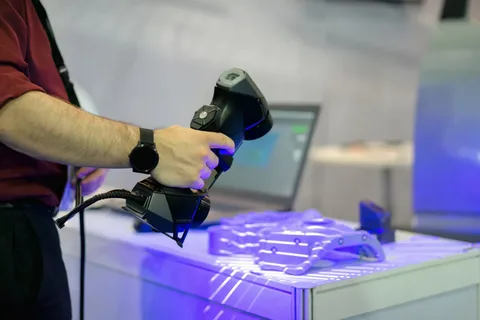
The world of fashion and apparel design is constantly evolving, with technological advancements playing a pivotal role in reshaping the industry. One of the most transformative technologies that has emerged in recent years is 3d scanning. From creating detailed virtual prototypes to enhancing customization options, 3D scanning is revolutionizing how designers create, produce, and market fashion items. This article delves into how 3D scanning is changing the world of fashion and apparel design and its impact on the industry.
The Role of 3D Scanning in Fashion Design
In traditional fashion design, designers often relied on physical sketches, fabric swatches, and hand-crafted prototypes to bring their ideas to life. However, 3D scanning has introduced a more efficient and precise way to capture the details of a design. Using 3D scanners, designers can now create highly accurate digital models of garments, accessories, and even human bodies. This digital representation allows designers to visualize how fabrics will look and fit in a virtual environment, reducing the need for multiple physical prototypes.
3D scanning helps designers achieve more accurate garment fits by scanning a model’s body to create a personalized 3D avatar. This means that designers can tailor garments specifically to a customer’s measurements, ensuring that the final product fits perfectly without the need for time-consuming alterations. Furthermore, designers can manipulate and tweak the digital version of the garment before committing to the final product, saving both time and resources.
Enhancing Customization and Personalization
One of the biggest advantages of 3D scanning in the fashion and apparel industry is the ability to offer mass customization to customers. Consumers increasingly desire personalized products that reflect their individual tastes and preferences. 3D scanning facilitates this by allowing brands to scan a customer’s body and create custom-fit clothing that is unique to them.
Some forward-thinking fashion brands have even introduced “try-before-you-buy” options using 3D scanning technology. Consumers can upload photos of themselves or use in-store scanning booths to create a digital representation of their bodies. From there, they can try on virtual garments and see how they would look and fit before making a purchase. This level of customization not only enhances the shopping experience but also minimizes the chances of returns due to sizing issues, which is a major concern in the apparel industry.
Speeding Up the Fashion Design Process
Traditionally, the fashion design process has been time-consuming and expensive. Creating a physical prototype can take days or even weeks, not to mention the costs of materials and labor. With 3D scanning, designers can create detailed digital prototypes in a fraction of the time. These digital models can then be easily shared, reviewed, and modified remotely, streamlining collaboration between designers, manufacturers, and clients.
Moreover, 3D scanning allows for the quick and easy iteration of designs. Designers can experiment with different fabrics, textures, and colors digitally before making any physical samples. This significantly reduces the number of revisions and prototyping steps required, accelerating time-to-market for new collections and products.
Redefining Sustainability in Fashion
The fashion industry has long been criticized for its environmental impact, particularly in terms of waste and overproduction. 3D scanning offers a sustainable solution to this problem by reducing the need for physical prototypes and unnecessary fabric waste. Designers can test different designs and alterations in a digital space, minimizing the number of materials used during the early stages of the design process.
Additionally, by creating more accurate and personalized garments, brands can reduce the risk of overproduction and excess inventory, which contributes to landfill waste. 3D scanning makes it easier to produce on demand, allowing brands to create only what is needed based on real customer demand. This shift toward a more sustainable production model could have significant long-term benefits for the environment.
The Future of 3D Scanning in Fashion
As 3D scanning technology continues to evolve, its potential applications in the fashion industry are bound to grow. We may see more advanced scanning techniques that can capture intricate textures, fabrics, and even the movement of clothing in real-time. Virtual fashion shows, where designers present their collections in fully immersive digital environments, could become the norm rather than the exception.
Moreover, as 3D printing technology becomes more accessible, 3D scanning will enable designers to not only create virtual garments but also produce physical clothing items on demand, further revolutionizing the way fashion is created and consumed.
Conclusion
In conclusion, 3D scanning is transforming the world of fashion and apparel design in ways that were once unimaginable. From enabling highly personalized designs and speeding up the design process to promoting sustainability, the benefits of 3D scanning are far-reaching. As the technology continues to advance, it will undoubtedly play an even greater role in shaping the future of the fashion industry, making it more efficient, sustainable, and accessible to consumers around the world.
