

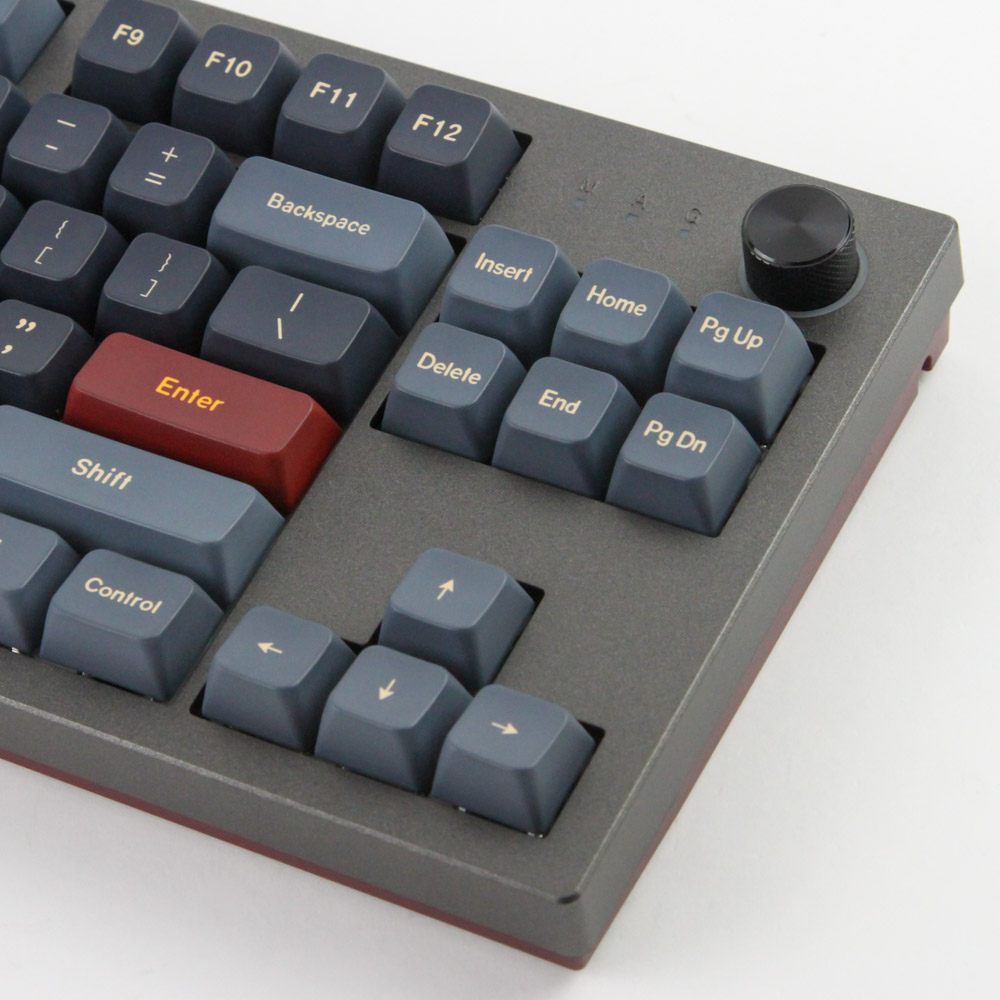
Mechanical keyboards have become extremely popular among gamers, programmers, and office professionals. One of the most important decisions when buying a mechanical keyboard is selecting the right type of switch. In this guide on Quiet vs Clicky: Choosing the Right Mechanical Keyboard Switch, we will explore the differences between quiet and clicky switches and help you decide which one best suits your typing style and environment.
Understanding Mechanical Keyboard Switches
Mechanical keyboard switches are the mechanisms under each key that register a keystroke. Unlike membrane keyboards, mechanical switches provide tactile feedback, durability, and a more satisfying typing experience.
When discussing Quiet vs Clicky: Choosing the Right Mechanical Keyboard Switch, the main difference lies in the sound level and feedback each switch type produces. Some switches are designed to be silent and smooth, while others intentionally create a loud click sound for clear feedback.
What Are Quiet Mechanical Switches?
Quiet switches, often called silent or linear/tactile silent switches, are designed to reduce typing noise while still maintaining the feel of a mechanical keyboard.
Key Features of Quiet Switches
- Minimal typing noise
- Smooth keypress experience
- Ideal for shared workspaces
- Less distracting during long typing sessions
Quiet switches are perfect for offices, libraries, or late-night gaming sessions where loud keyboard sounds might disturb others. Many professionals prefer quiet switches because they allow for focused work without constant clicking noises.
What Are Clicky Mechanical Switches?
Clicky switches are known for their distinct audible click when a key is pressed. They are designed to provide both tactile feedback and sound, making every keystroke very noticeable.
Key Features of Clicky Switches
- Loud and satisfying click sound
- Strong tactile feedback
- Great typing accuracy
- Popular among enthusiasts and typists
People who enjoy the classic feel of mechanical keyboards often prefer clicky switches because they provide a clear confirmation that a keypress has been registered.
Quiet vs Clicky: Key Differences
Understanding the main differences is crucial when considering Quiet vs Clicky: Choosing the Right Mechanical Keyboard Switch.
1. Noise Level
Quiet switches produce minimal sound, while clicky switches create a loud and sharp clicking noise.
2. Typing Feedback
Clicky switches offer stronger tactile and auditory feedback. Quiet switches focus more on smoothness rather than sound.
3. Work Environment
Quiet switches are ideal for offices or shared spaces. Clicky switches are better suited for private setups where noise is not a concern.
4. Personal Preference
Some users love the satisfying sound of clicky switches, while others prefer a silent and distraction-free typing experience.
Which Mechanical Switch Should You Choose?
When deciding Quiet vs Clicky: Choosing the Right Mechanical Keyboard Switch, consider the following factors:
- Your environment: Offices and shared spaces benefit from quiet switches.
- Typing style: If you enjoy strong feedback, clicky switches may be better.
- Noise tolerance: Some users enjoy keyboard sound, while others find it distracting.
- Usage purpose: Gamers sometimes prefer quieter switches, while writers and programmers may enjoy clicky feedback.
Ultimately, the right choice depends on your personal preferences and daily usage.
Final Thoughts
Choosing between quiet and clicky switches can significantly impact your overall keyboard experience. By understanding the differences outlined in Quiet vs Clicky: Choosing the Right Mechanical Keyboard Switch, you can select a switch type that matches your work environment, comfort level, and typing style.
